
Traditional basmati rice continues to hold demand in markets where buyers specifically ask for old, non-hybrid varieties, particularly in premium retail and heritage food segments. Its lower yield and longer cultivation cycle keep supply limited compared to hybrid basmati, which is one reason importers and premium brands seek it out directly from established mills rather than open-market traders.
Traditional Basmati Rice Varieties
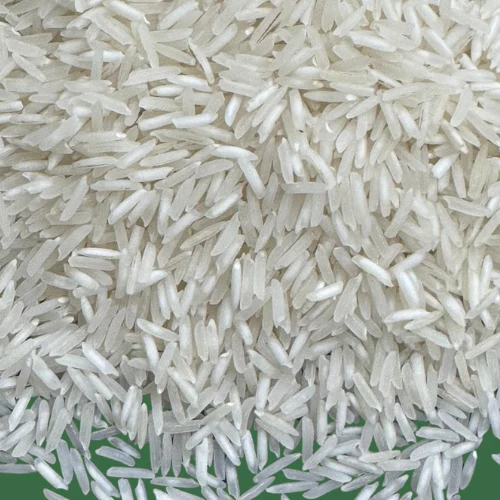
Traditional Raw Basmati Rice
Unprocessed grain kept close to its natural state, chosen by buyers who prefer the classic aroma without steaming.
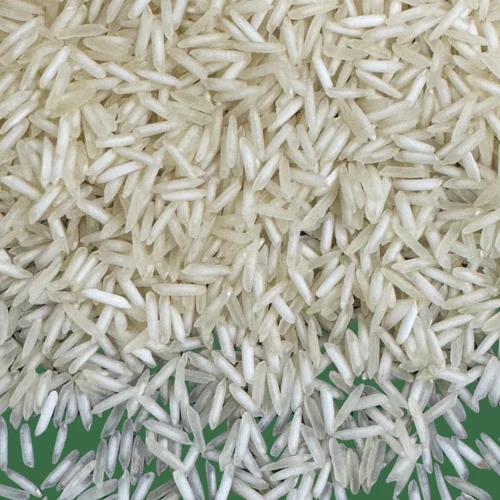
Traditional Steam Basmati Rice
Steamed before milling to retain nutrients, giving grains that hold shape well in daily home cooking.
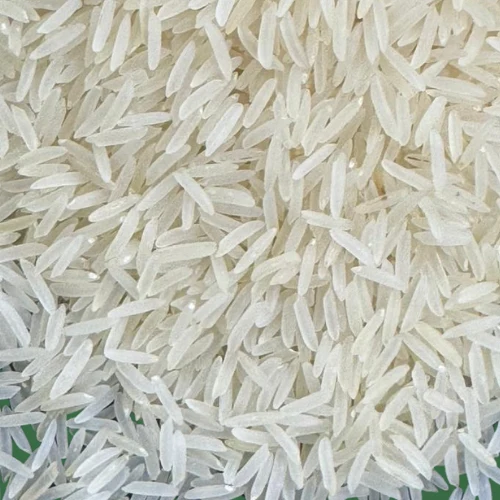
Traditional Sella Basmati Rice
Parboiled for better shelf life, favored by traders who need stock that stays fresh over longer storage periods.
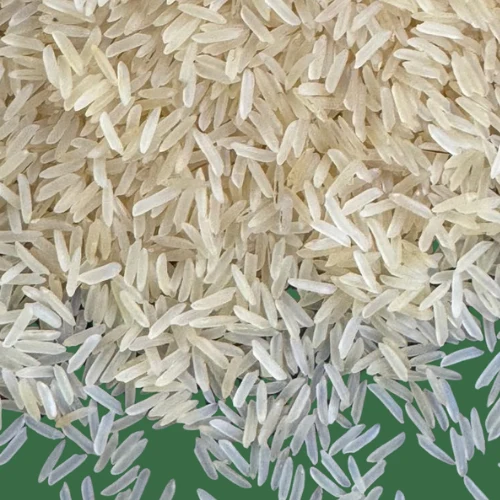
Traditional Golden Sella Basmati Rice
A deeper parboiling stage gives this grain its golden tone, popular among buyers wanting a richer, aged look.
Full Specifications
| Parameter | Specification |
|---|---|
| Purity | 93.00% Min. |
| Field Ad-mixture | 8.00% Max. |
| Average Grain Length | 7.20 - 7.50 mm |
| Elongation on Cooking | Up to 16.5 mm |
| Moisture | Under 12 - 13% |
| Broken Grain | Under 1 - 2% |
| Pin Broken | Under 2 - 3% |
| Damaged Grain | Under 1% |
| Discolored Grain | Under 1% |
| Chalky Kernels | Under 2 - 5% |
| Immature Grain | Under 1 - 2% |
| Foreign Matter | Nil |
| Packaging Options | PP Bag, Non-Woven Bag, Jute Bag, BOPP Bag, or Plastic Pouch |
| Available Forms | Raw, Steam, Sella, Golden Sella |
Grain and quality parameters shown above reflect typical export-grade specification for Traditional Basmati . Confirm exact figures against your own quality control and lab testing records before publishing.
Source premium Traditionl Basmati Rice directly from the mill.
Quality & Applications
Why Choose Our Traditional Basmati Rice
- Grown from indigenous seed lines, not bred hybrids, preserving authentic aroma and grain character.
- Limited yield per season keeps supply controlled, appealing to buyers wanting genuine heritage grain.
- Often aged before milling, which deepens fragrance and improves texture after cooking.
- Sourced directly from established growing regions tied to India’s recognized basmati heritage belt.
- Trusted by buyers who prioritize authenticity over maximum grain length or elongation.
Uses & Applications
- Preferred in traditional home cooking where aroma matters more than extra-long grain size.
- Used by heritage food brands marketing authentic, non-hybrid basmati to discerning customers.
- Suited for premium retail packs targeting buyers seeking original basmati varieties.
- Common in religious and festive cooking where traditional grain quality is specifically requested.
- Chosen by importers building premium product lines around heritage and authenticity claims.
Certifications









Get in Touch With Our Export Team
Looking for reliable basmati rice suppliers in India? Fill out the form and our team will get back to you with pricing and availability.
- +91 999999 99999
- +91 999999 99999
- export@ricemill.com
- Plot 42, Grain Market Industrial Area, Haryana, India
FAQs
Q1: Which is the original basmati rice?
Ans: Traditional basmati rice, grown from indigenous seed lines in the recognized basmati belt, is considered the original variety before hybrid types were developed.
Q2: How to identify real basmati rice?
Ans: Real basmati rice has a distinct aroma, extra long slender grains, and elongates on cooking without breaking. Check certification and origin before buying.
Q3: What is classic basmati rice?
Ans: Classic basmati rice refers to traditional, non-hybrid varieties known for natural fragrance and grain quality, as opposed to newer hybrid basmati types.
Q4: What is the difference between normal rice and basmati rice?
Ans: Basmati rice has a longer grain, natural aroma, and elongates more on cooking compared to normal rice, which lacks these distinct characteristics.
Q5: What is the best variety of basmati rice in India?
Ans: The best variety depends on use. Traditional basmati is valued for authenticity and aroma, while hybrid types like 1121 are known for grain length.
Q6: How to make traditional basmati rice?
Ans: Rinse the rice, soak it for 20 to 30 minutes, then cook with water in a 1:1.5 ratio until grains turn soft and separate.
Reviews
There are no reviews yet.