
Sharbati rice is a well known non-basmati rice variety valued for its light aroma, smooth texture, and everyday cooking use. This sharbati rice variety has a shorter, rounder grain than long grain basmati, and it cooks soft with a slight stickiness, which makes it a common choice for khichdi, plain rice, and regional meals across many Indian households.
This rice is processed as raw, steam, sella, and golden sella to suit different buyer needs, from small retail packs to large bulk orders. Each batch goes through basic quality checks for grain size, color, and moisture before it is packed and sent to wholesalers, distributors, and retail buyers.
Sharbati Rice Variety
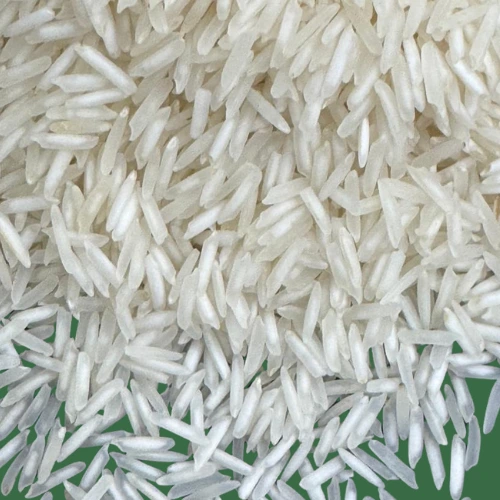
Sharbati Raw Rice
Milled straight from paddy without steaming, giving a natural white grain used widely for daily home cooking.
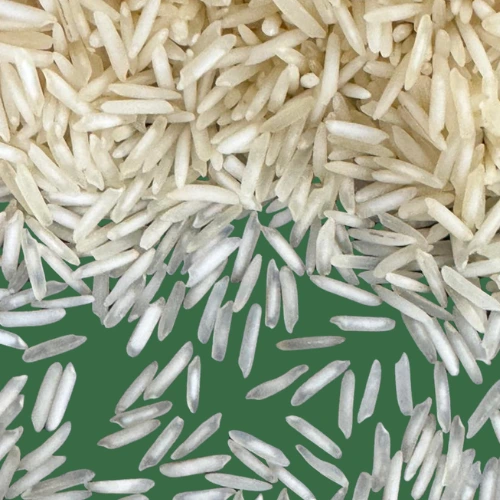
Sharbati Steam Rice
Parboiled with light steam treatment, which firms up the grain and reduces breakage during milling and cooking.
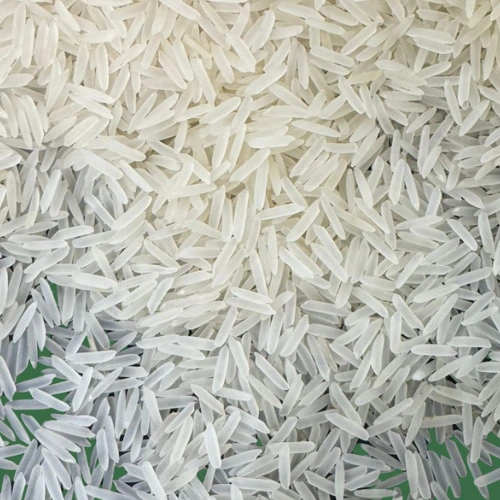
Sharbati Sella Rice
Fully parboiled before milling, giving firmer grains with a light golden tint and longer storage life.
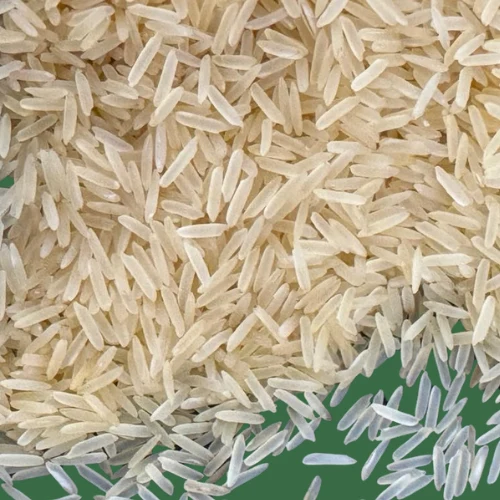
Sharbati Golden Sella Rice
Goes through extended parboiling for a deeper golden shade, preferred in bulk catering and institutional orders.
Sharbati Rice Specification
| Parameter | Specification |
|---|---|
| Purity | 92.00% Min. |
| Field Ad-mixture | 8.00% Max. |
| Average Grain Length | 6.90 mm |
| Elongation on Cooking | Up to 15.5 mm |
| Moisture | Under 13 - 14% |
| Broken Grain | Under 1 - 5% |
| Pin Broken | Under 2 - 3% |
| Damaged Grain | Under 1 - 2% |
| Discolored Grain | Under 1 - 2% |
| Chalky Kernels | Under 5 - 7% |
| Immature Grain | Under 1 - 3% |
| Foreign Matter | Nil |
| Packaging Options | PP Bag, Non-Woven Bag, Jute Bag, BOPP Bag, or Plastic Pouch |
| Available Forms | Raw, Steam, Sella, Golden Sella |
Grain and quality parameters shown above reflect typical export-grade specification for sharbati rice. Confirm exact figures against your own quality control and lab testing records before publishing.
Source premium Sharbati Rice Rice directly from the mill.
Quality & Applications
Why Choose Our Sharbati
- Soft texture and mild aroma make it suitable for daily household meals across most regions.
- Rounder grain shape gives even cooking and a comforting texture once served hot.
- Mild natural aroma stays consistent across batches, making it reliable for regular household and trade use.
- Consistent batch quality checked before packing, supporting steady supply for regular buyers.
- Suitable for both small retail packs and larger bulk trade orders.
Uses & Applications
- Common choice for khichdi, plain steamed rice, and everyday regional meal preparations.
- Used in households where a softer, less separate grain texture is preferred.
- Supplied to retailers, wholesalers, and distributors handling non-basmati rice varieties.
- Fits catering and food service needs where bulk, affordable rice is required.
- Suitable for private label packaging aimed at regular household consumption.
Certifications








Get in Touch With Our Export Team
Looking for reliable basmati rice suppliers in India? Fill out the form and our team will get back to you with pricing and availability.
- +91 999999 99999
- +91 999999 99999
- export@ricemill.com
- Plot 42, Grain Market Industrial Area, Haryana, India
FAQs
Q1: What is sharbati rice?
Ans: Sharbati rice is a non-basmati rice variety known for its mild aroma, soft texture, and rounder grain shape compared to long grain basmati rice.
Q2: Is sharbati rice a type of basmati rice?
Ans: No, sharbati rice is generally sold as a non-basmati variety. It has a shorter, rounder grain, unlike the long slender grain of basmati rice.
Q3: What is sharbati rice also known as?
Ans: Sharbati rice is sometimes linked to basmati varieties in trade descriptions, though naming varies by seller. Confirm the exact regional name before publishing.
Q4: What is the difference between basmati and sharbati rice?
Ans: Basmati rice has a long slender grain with high elongation on cooking, while sharbati rice has a shorter, rounder grain with a softer, stickier texture.
Q5: Which rice is best for daily use?
Ans: Shorter grain, softer textured rice like sharbati is commonly preferred for daily household meals, while basmati is often kept for special occasions.
Q6: Which rice is the king of rice?
Ans: Basmati rice is widely called the king of rice for its long grain, aroma, and elongation.
Reviews
There are no reviews yet.