
Grown mostly in parts of Southeast Asia and now cultivated in India as well, black rice stands out from other rice types the moment you see it, thanks to its deep purplish black grains. A common question buyers and cooks ask is what is black rice. In simple terms, it is a rice variety that goes through only light milling, so the natural outer layer stays on the grain instead of being polished away. That layer is what turns the rice dark purple once it’s cooked.
Texture-wise, it cooks up firm and slightly chewy, with a mild nutty taste that works well in both savory dishes and rice-based desserts. For buyers looking into black rice benefits, the appeal often comes down to its longer shelf life compared to heavily polished rice, plus the consistency it offers across large orders. We source and process it to meet export grade standards for both retail packs and bulk shipments.
Black Rice Varieties
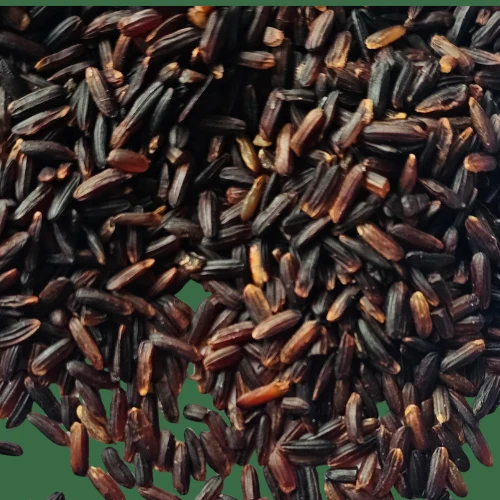
Black Raw Rice
Milled with the bran layer left intact, giving the grain its deep purplish black color and firm, chewy texture once cooked.
Full Specification
| Parameter | Specification |
|---|---|
| Purity | 95.00% Min. |
| Field Ad-mixture | 1.00% Max. |
| Average Grain Length | 6.50 mm |
| Elongation on Cooking | Up to 9.00 mm |
| Moisture | Under 14% |
| Broken Grain | Under 5% |
| Pin Broken | Under 1% |
| Damaged Grain | Under 2% |
| Discolored Grain | Under 2% |
| Chalky Kernels | Under 3 - 5% |
| Immature Grain | Under 2% |
| Foreign Matter | Nil |
| Packaging Options | PP Bag, Non-Woven Bag, Jute Bag, BOPP Bag, or Plastic Pouch |
| Available Forms | Raw |
Grain and quality parameters shown above reflect typical export-grade specification. Confirm exact figures against your own quality control and lab testing records before publishing.
Source premium Black Rice directly from the mill.
Quality & Applications
Why Choose Our Red Rice
- One of the few rice varieties that keeps its natural dark color straight through the cooking process.
- Distinct visual appeal that sets it apart on retail shelves and restaurant menus.
- Grown and processed to standards suited for both domestic and export markets.
- Works well in small batch specialty orders as well as larger bulk shipments.
- A less common variety, giving buyers a point of difference from standard white or brown rice offerings.
Black Rice Uses & Applications
- Sweet preparations such as black rice pudding and congee style dishes.
- Rice bowls and fusion dishes where the dark color is part of the presentation.
- Gourmet and specialty grocery retail packs.
- Menu items at restaurants looking to offer something distinct from regular rice.
- Bulk export orders aimed at niche and premium rice markets.
Certifications








Get in Touch With Our Export Team
Looking for reliable basmati rice suppliers in India? Fill out the form and our team will get back to you with pricing and availability.
- +91 999999 99999
- +91 999999 99999
- export@ricemill.com
- Plot 42, Grain Market Industrial Area, Haryana, India
FAQs
Q1: What is another name for black rice?
Ans: Black rice is also known as forbidden rice in many markets, and in India it is grown and known locally in regions like Manipur and Odisha.
Q2: Why is black rice expensive compared to other rice?
Ans: It comes down to lower cultivation volumes and a more limited growing region compared to widely grown rice varieties, which keeps supply tighter.
Q3: Where is black rice grown in India?
Ans: It is grown in select regions of India, including parts of the Northeast and Odisha, where the variety has traditionally been cultivated.
Q4: How can buyers identify genuine black rice?
Ans: Genuine black rice keeps its dark color consistently through cooking and has a firm, chewy texture. Uneven color or unusually soft grains can be signs of a mixed or lower quality batch.
Reviews
There are no reviews yet.