
Parmal rice is a term commonly used in India for a non-basmati rice variety grown mainly in states like Uttar Pradesh, Punjab, and Haryana. In simple words, the meaning of parmal rice points to an everyday, non-aromatic rice valued more for its practicality than for grain length or fragrance.
One of the main benefits is its affordability combined with a firm texture that holds up well in bulk cooking. This makes it a preferred choice among manufacturers, distributors, and wholesalers who supply rice for daily consumption rather than premium or specialty markets.
Available Forms of Parmal Rice
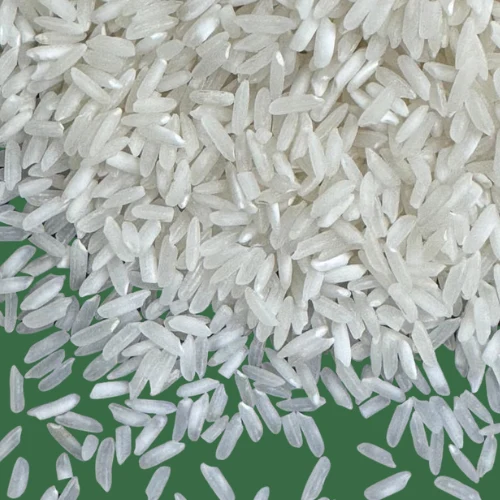
Parmal Raw Rice
Milled directly from paddy without steaming, this form keeps a simple grain suited for regular household and community cooking.
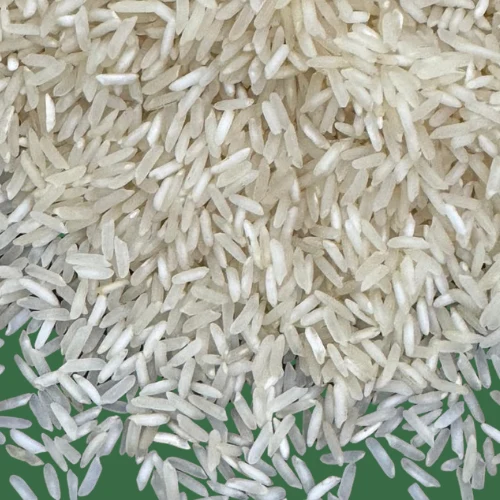
Parmal Steam Rice
Lightly steamed before milling, giving the grain a firmer bite after cooking, ideal for large-batch kitchens and canteens.
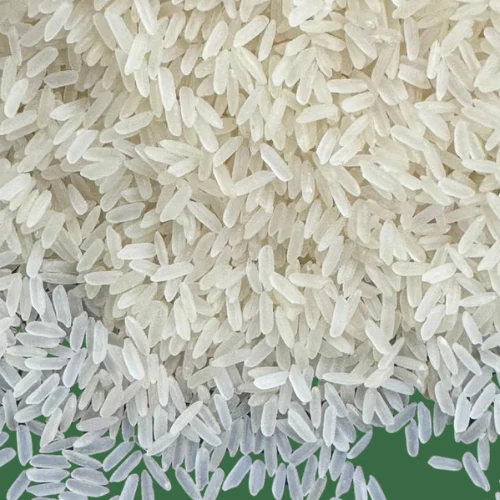
Parmal Sella Rice
Parboiled before milling, giving the grain a light golden tone and better sturdiness for bulk cooking and storage.
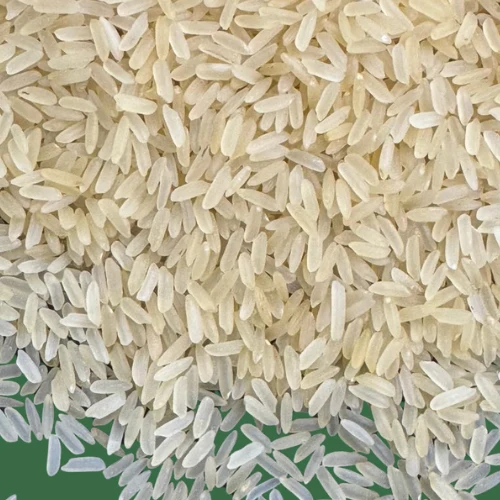
Parmal Golden Sella Rice
An extended parboiling process gives a deeper golden colour and longer shelf life, ideal for large-volume trade orders.
Parmal Rice Specification
| Parameter | Specification |
|---|---|
| Purity | 95.00% Min. |
| Field Ad-mixture | 5.00% Max. |
| Average Grain Length | 6.50 mm |
| Elongation on Cooking | Up to 12.5 mm |
| Moisture | Under 13% |
| Broken Grain | Under 1 - 2% |
| Pin Broken | Under 2 - 3% |
| Damaged Grain | Under 1% |
| Discolored Grain | Under 1% |
| Chalky Kernels | Under 5 - 7% |
| Immature Grain | Under 3% |
| Foreign Matter | Nil |
| Packaging Options | PP Bag, Non-Woven Bag, Jute Bag, BOPP Bag, or Plastic Pouch |
| Available Forms | Raw, Steam, Sella, Golden Sella |
Grain and quality parameters shown above reflect typical export-grade specification for parmal rice. Confirm exact figures against your own quality control and lab testing records before publishing.
Source premium Parmal Rice directly from the mill.
Quality & Applications
Why Choose Our Parmal
- Firm texture that holds its shape well, making it dependable for daily cooking across households and community kitchens.
- Affordable pricing compared to premium rice varieties, useful for bulk buyers working within tight budgets.
- Available across four processing types, giving buyers flexibility based on kitchen or storage requirements.
- Steady grain quality maintained through careful milling and consistent processing standards across batches.
- One practical benefit of parmal rice is how easily it cooks in large quantities without extra preparation.
Uses & Applications
- Everyday household cooking where a simple, non-aromatic rice is preferred over specialty varieties.
- Mid-day meal schemes and community kitchens that require large volumes of dependable rice.
- Hostel and canteen food service operations where bulk cooking and quick preparation matter most.
- Institutional and government supply programs that rely on consistent, affordable rice stock.
- Wholesale and retail packaging for distributors supplying non-basmati rice to regional markets.
Certifications








Get in Touch With Our Export Team
Looking for reliable basmati rice suppliers in India? Fill out the form and our team will get back to you with pricing and availability.
- +91 999999 99999
- +91 999999 99999
- export@ricemill.com
- Plot 42, Grain Market Industrial Area, Haryana, India
FAQs
Q1: What is parmal rice?
Ans: Parmal rice is a common non-basmati rice variety grown mainly in northern India, known for its firm texture and affordable price for daily cooking.
Q2: What is parmal rice called in English?
Ans: Parmal rice does not have a separate English name; it is simply referred to as parmal rice or non-basmati rice in trade and everyday use.
Q3: Is parmal rice boiled rice?
Ans: In its sella and golden sella forms, parmal rice is parboiled, as it goes through steaming before milling, unlike the raw variant.
Q4: Is parmal rice better than basmati rice?
Ans: Parmal rice and basmati rice serve different needs; parmal suits everyday bulk cooking, while basmati is valued for its aroma and long grain.
Q5: Is parmal rice good for daily use?
Ans: Parmal rice is commonly used for daily cooking due to its firm texture, easy preparation, and affordable price, making it practical for regular household meals.
Reviews
There are no reviews yet.