
The 1718 variety was bred to give farmers better field output while keeping the grain quality that basmati buyers look for. It holds up well against common paddy diseases, which means fewer crop losses and more consistent supply through the season. On the plate, the rice cooks up long and separate, with the aroma expected from basmati.
Buyers get 1718 basmati rice straight from the mill, without going through extra layers of trading. Packaging is worked out with each buyer based on shipment size and destination port. This direct approach, paired with more than three decades in the trade, is why wholesalers, distributors, and export clients keep coming back to Krishna Rice Mill.
Available Forms of 1718 Basmati Rice
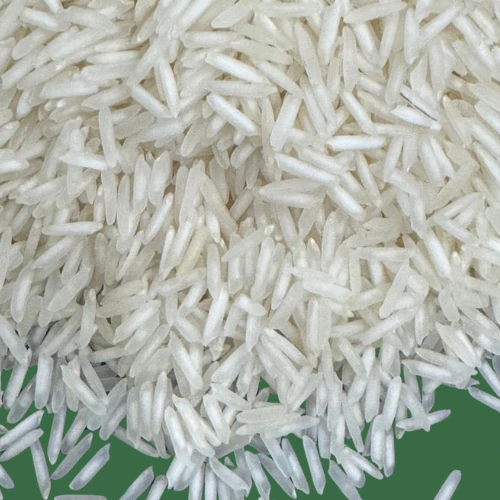
1718 Raw Basmati Rice
Milled without parboiling, keeping its natural white shade. Cooks soft, preferred for everyday retail packs and home use.
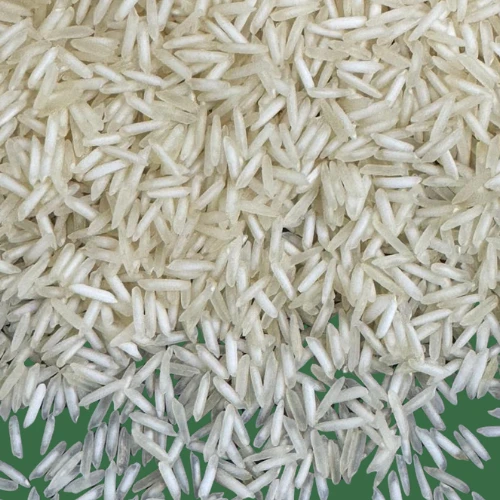
1718 Steam Basmati Rice
Given a mild steam before milling, which keeps grains firm and separate. A common pick for bulk food-service orders.
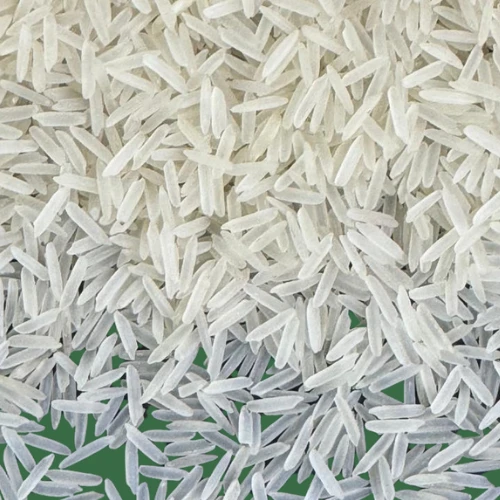
1718 Sella Basmati Rice
Fully parboiled before milling, giving a light golden tone and stronger resistance to breakage during transport.
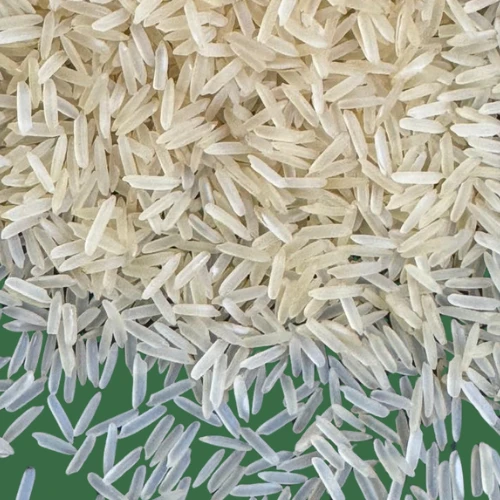
1718 Golden Sella Basmati Rice
Parboiled longer than regular Sella, giving a deeper amber shade. Popular with Gulf and Middle East buyers.
Full Specifications
| Parameter | Specification |
|---|---|
| Purity | 95.00% Min. |
| Field Ad-mixture | 5.00% Max. |
| Average Grain Length | 8.35 - 8.40 mm |
| Elongation on Cooking | Up to 19.50 mm |
| Moisture | Under 12.5% |
| Broken Grain | Under 1% |
| Pin Broken | Under 2% |
| Damaged Grain | Under 1% |
| Discolored Grain | Under 1% |
| Chalky Kernels | Under 5 - 15% |
| Immature Grain | Under 3% |
| Foreign Matter | Nil to 0.5% |
| Packaging Options | PP Bag, Non-Woven Bag, Jute Bag, BOPP Bag, or Plastic Pouch |
| Available Forms | Raw, Steam, Sella, Golden Sella |
Grain and quality parameters shown above reflect typical export-grade specification for 1718 basmati rice. Confirm exact figures against your own quality control and lab testing records before publishing.
Source premium 1718 Basmati Rice directly from the mill.
Quality & Applications
Why Choose Our 1718 Basmati Rice
- Strong field performance with disease resistance, giving more consistent grain supply.
- Grain texture and aroma close to established basmati varieties.
- Available across all four processing forms from a single mill.
- Packaging adjusted to match bulk B2B and export shipment needs.
- Direct mill sourcing backed by 35+ years of milling experience.
Uses & Applications
- Everyday cooking and home meals where a soft, aromatic rice is needed.
- Hotel, restaurant, and catering bulk supply for regular menu use.
- Export shipments for private label and international retail packaging.
- Institutional and food-service orders needing steady, large-volume supply.
- Suitable for both retail-ready packs and large bulk shipments.
Certifications








Get in Touch With Our Export Team
Looking for reliable basmati rice suppliers in India? Fill out the form and our team will get back to you with pricing and availability.
- +91 999999 99999
- +91 999999 99999
- export@ricemill.com
- Plot 42, Grain Market Industrial Area, Haryana, India
FAQs
Q1: What is 1718 basmati rice?
Ans: It is a basmati paddy variety developed from Pusa 1121, bred for bacterial leaf blight resistance while keeping long grain and aroma intact.
Q2: What type of rice is the 1718 variety?
Ans: It is a high yielding basmati variety, genetically improved from Pusa 1121, known for long slender grains and strong disease resistance in the field.
Q3: What is the maturity period of Pusa Basmati 1718 paddy seeds?
Ans: Pusa Basmati 1718 is commonly reported to reach harvestable maturity in around 136 to 138 days after sowing, depending on growing conditions.
Q4: What is the difference between 1121 and 1718 rice?
Ans: 1718 is bred from 1121 with added resistance to bacterial leaf blight and shorter crop height, giving better yield and weather tolerance.
Reviews
There are no reviews yet.